
Dr. med. Christian Gersch – Fokus auf Funktionelle Medizin
Dr. med. Christian Gersch – Fokus auf Funktionelle Medizin
 Published on 11/28/2021 by Dr. med. Christian Gersch
The more polyunsaturated fatty acids (PUFA) you consume, the more vitamin E you need to keep these reactive fats from spoiling.
However, almost all vitamin E-containing oils provide less vitamin E than they consume in the body. Just the phrase "rich in vitamin E" found on many vegetable oil bottles does not mean that it is a healthy product. The only oils that are an exception are olive oil and red palm kernel oil. Only these two oils provide you with more vitamin E than they need to metabolize on their own. Any rapeseed, soy or sunflower oil will take away net vitamin E.
Unfortunately, there is no good biomarker for the actual need for vitamin E. It can only be estimated and is around 11-15 mg per day PLUS 0,4 mg per gram of PUFA. Upper limits for supplementation are set at 540 mg in Europe and 1,000 mg in the USA.
The more polyunsaturated fat you consume (industrial food, fried food, but also many vegan products from the organic market), the more vitamin E you need. It is therefore a wise approach to ingest as little PUFA as possible. This is one of the recommendations from my patient manual.
There are two situations where simply eating a large salad with lots of olive oil a day is probably not enough to get your vitamin E supply.
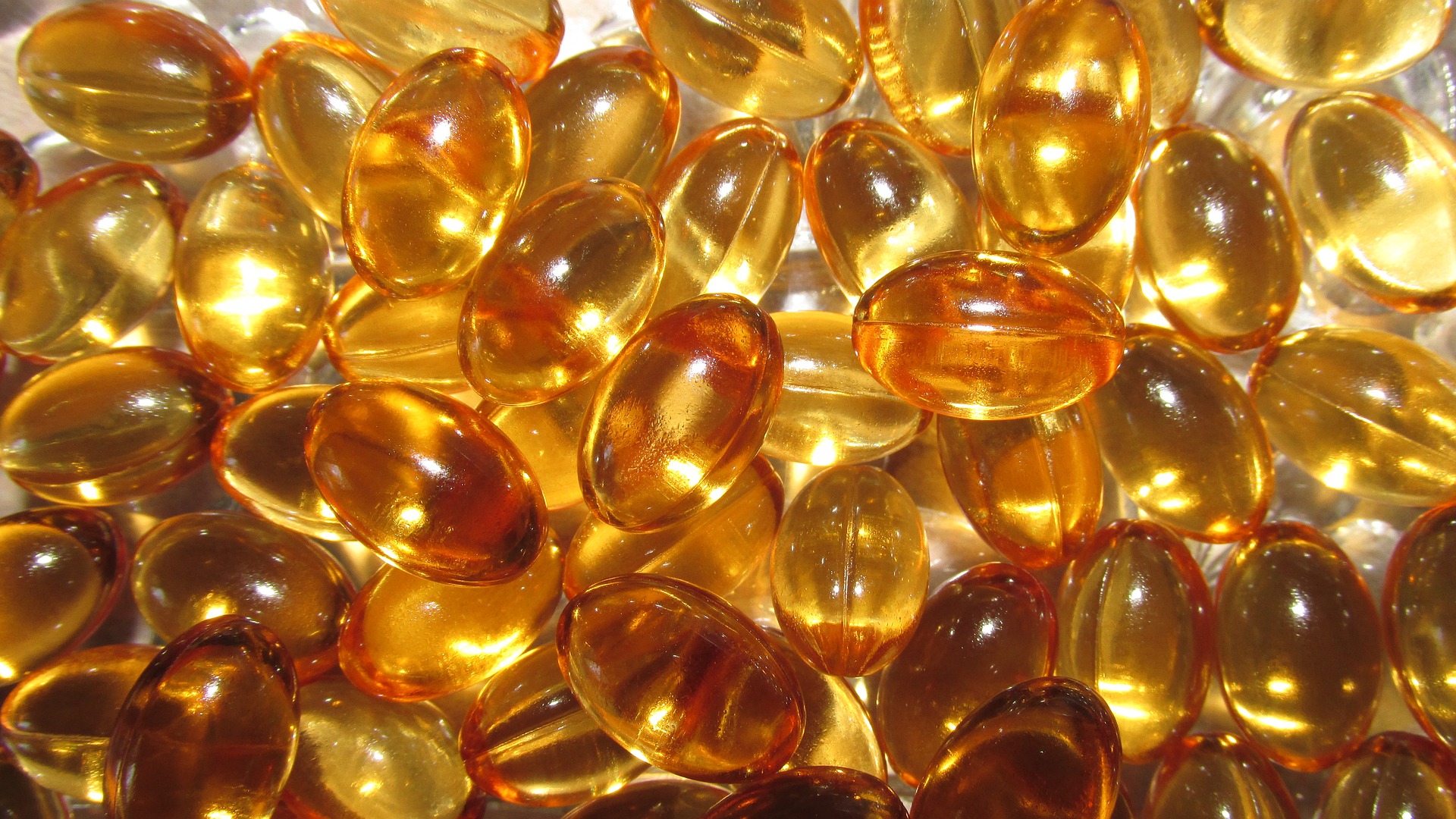
In both of these cases, I recommend taking a vitamin E supplement. This should be free of soybean and sunflower oil, which eliminates almost all products. Only Ultimate-E by Thorne seems to me to be a good, albeit expensive, short-term option. Unfortunately, the dosage is too high for long-term use (but you should simply work with olive oil and eat little PUFA).
ISBN:313154211X Conclusion
If you have any questions about this topic or wish to get a personal consultation with our practice, please schedule an appointment. Appointments can take place in our Kaiserslautern office or over the phone.
Existing patients may also contact us by using our app.