 Published on 04/09/2024 by Dr. med. Christian Gersch
Dr. Gersch is a Kaiserslautern based concierge physican

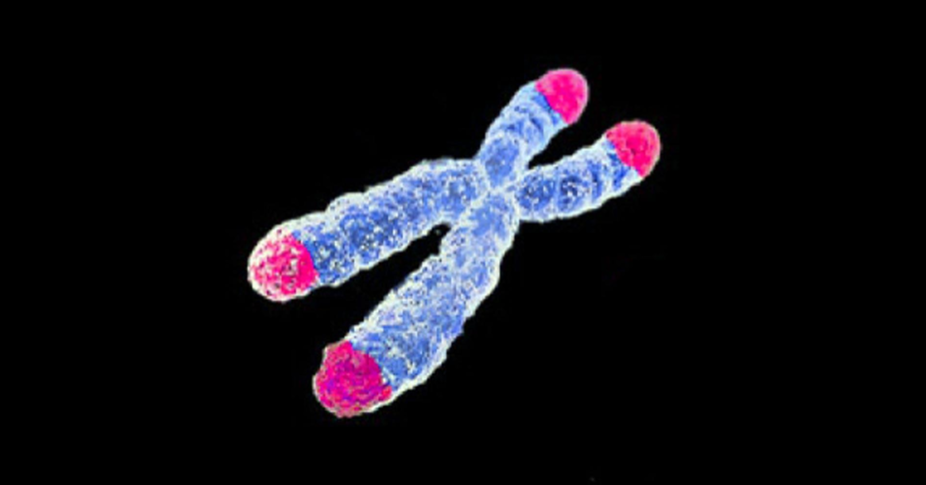
The logic sounds strikingly simple: if shortened telomeres lead to premature aging and increased development of chronic diseases, then surely all measures that lengthen telomeres again (and yes, they do exist) should help?
Generally, there is an enzyme - telomerase - that is capable of lengthening shortened telomeres again. It must be active in our stem and germline cells, because these must divide more than 50 times during life (without active telomerase, a cell can divide a maximum of 50-60 times according to the Hayflick limit).
There are ways - including taking certain supplements - to increase the activity of telomerase. This should "rejuvenate" many cells in the body. However, there is one group of cells, that have particularly high telomerase activity: Cancer cells. In 90% of cancer cells, telomerase is about 10 times more active than in other body cells. In this way, cancer cells achieve "immortality", meaning, they can divide as often as they wish (and this is precisely one of the peculiarities of cancer cells).
It is therefore to be feared, that an unspecific activation of telomerase could accelerate previously harmless, but already degenerated cells, in their development into cancer cells. Therefore, I generally advise my patients against pharmacological substances that stimulate telomerase. The risk of degeneration is possibly lower after going through several fasting cycles, since degenerate and overaged cells have then been degraded by autophagy.
The basic rule is, that normally long telomeres are good. Overlong telomeres, on the other hand, are not desirable.
It seems more sensible to initially refrain from all those factors that are likely to shorten telomeres. However, the following interventions have shown, that they lead to a lengthening of the telomeres (probably through a decrease in oxidative stress):
- Coffee consumption lengthens telomeres (probably antioxidant effects).
- The own education as well as the education of the parents is associated with longer telomeres (whether a child is born with long or rather short telomeres is transmitted primarily epigenetic; the decisive factor is the health of mother and father shortly before the conception)
- A good supply of omega-3 fatty acids is beneficial (blood tests give a good orientation, whether additional fish meals are useful; but please refrain from unreflected consumed fish oil).
- A good vitamin D status (again, a blood test helps, but usually leads to vitamin D supplementation)
- Who is overweight, should permanently reduce weight and then hold it.
- Regular meditation and daily walks of only 10 minutes lengthen telomeres.
- No smoking.
Sources: Ganzimmun AG Fachinformation Nr. 127; Dr. Rhonda Patrick: Dr. Elissa Epel on Telomeres and the Role of Stress Biology in Cellular Aging
.

 Conclusion